
Dental Crowns and Bridges
Dental crowns and bridges restore damaged or missing teeth, improving your smile’s strength, comfort, and appearance. Crowns protect weakened teeth, while bridges fill gaps to support proper chewing and speech. Both help maintain alignment and prevent further dental issues, with natural-looking, long-lasting results.
Dental Crowns and Bridges in Steele Creek, NC
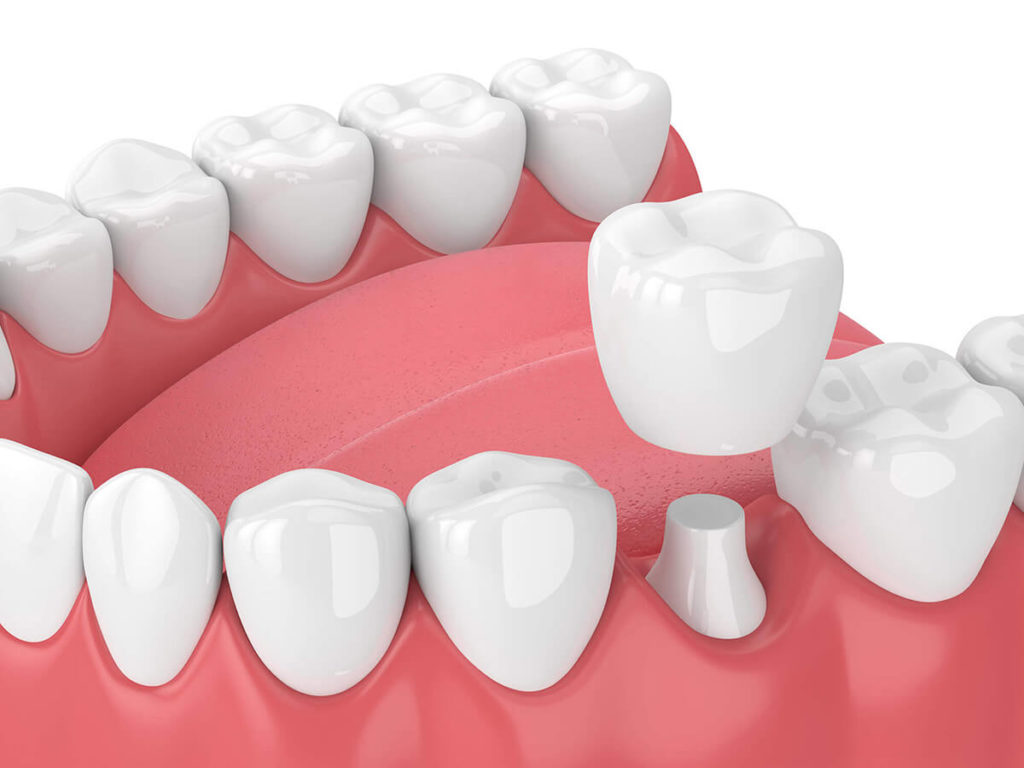
Dental crowns and bridges are restorative treatments designed to strengthen, protect, and replace damaged or missing teeth. A crown is a custom-made cap that fits over a weakened or broken tooth, restoring its shape, strength, and appearance. A bridge replaces one or more missing teeth by anchoring an artificial tooth to neighboring teeth or dental crowns.
Both options are carefully crafted to look natural and function like your own teeth. Crowns and bridges help improve chewing, speech, and confidence, while also preventing surrounding teeth from shifting out of place. They’re reliable, long-lasting solutions for a healthier, complete smile.
-
What is the process for a dental crown?
- A dental crown is a custom-made cap placed over a damaged or weakened tooth.
- Your dentist begins by examining the tooth and taking X-rays to ensure it’s healthy enough.
- The tooth is gently reshaped to create space for the crown.
- Impressions or digital scans are taken to design a crown that fits comfortably and looks natural.
- A temporary crown may be placed to protect the tooth while the permanent one is created.
- The final crown is carefully fitted, adjusted, and bonded in place.
- Crowns restore strength, function, and appearance.
- With good care, a dental crown can last many years.
-
How long do dental crowns last?
Dental crowns are designed to be a long-lasting solution for restoring damaged or weakened teeth. On average, crowns last 10 to 15 years, though many can last even longer with proper care. Longevity depends on factors such as oral hygiene, bite habits, material selection, and regular dental visits. Brushing, flossing, avoiding hard foods, and, if recommended, wearing a nightguard can significantly extend a crown’s lifespan. Routine checkups allow your dentist to monitor wear and address issues early, improving comfort, function, confidence, and long-term oral health for patients everywhere.
-
What is the dental bridge process?
- Initial consultation: Your dentist examines your teeth, discusses goals, and determines if a dental bridge is the right solution.
- Tooth preparation: The supporting teeth are gently reshaped to create a stable foundation for the bridge.
- Impressions taken: Detailed impressions ensure your custom bridge fits comfortably and looks natural.
- Temporary bridge placement: A temporary bridge protects your teeth while the permanent one is being crafted.
- Custom fabrication: The dental lab designs your bridge to match your smile’s shape, size, and color.
- Final placement: The permanent bridge is carefully fitted, adjusted, and secured for function and confidence.
-
How long does a dental bridge last?
On average, dental bridges last 5 to 15 years, though some last even longer. Their lifespan depends on factors like oral hygiene, regular dental visits, bite alignment, and the materials used. Brushing, flossing around the bridge, and avoiding habits like chewing ice can significantly extend its life. Your dentist can help ensure your bridge stays strong, comfortable, and functional for years to come with consistent professional guidance and trust. -
How do temporary dental crowns work?
Temporary crowns protect your tooth while a permanent crown is being made. After shaping the tooth, your dentist places a custom-fitted temporary crown to cover and seal it. This crown restores function, helps prevent sensitivity, and keeps surrounding teeth from shifting. Temporary crowns are made from durable acrylic or resin and are designed for short-term wear. With proper care, avoiding sticky foods and maintaining good oral hygiene, they keep you comfortable and smiling until your final crown is ready. Your dentist will remove it once the final restoration is placed.
Have Additional Questions on Crowns and Bridges?
If you would like to learn more about dental crowns and bridges and the treatment process, or to make an appointment, contact us today!