
Sedation Dentistry
Sedation dentistry helps patients feel calm and comfortable during dental care, especially if they experience anxiety, a sensitive gag reflex, or difficulty sitting still. It can make more extended visits feel shorter and support smoother treatment. You’ll stay relaxed while we prioritize safety throughout.
Sedation Dentistry in Charlotte, NC
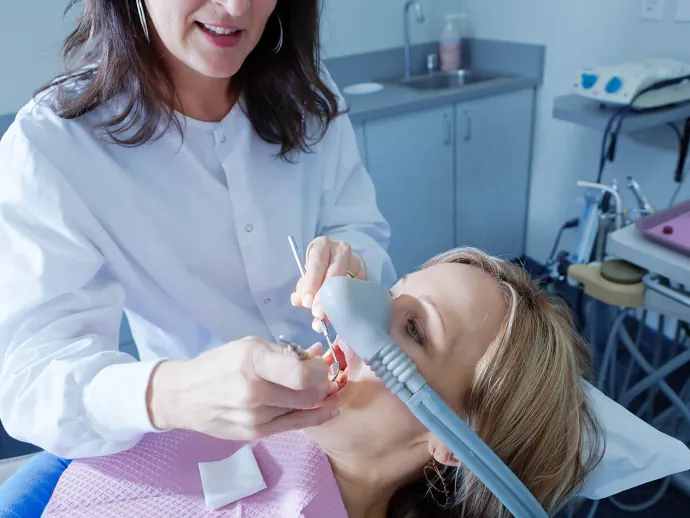
Sedation dentistry is the use of any dental sedation to reduce stress, anxiety, and any physical pain associated with dental treatment. Sedation is a safe and convenient way to help you feel more relaxed when receiving treatment at Horizon Dental. We offer conscious sedation for our patients to feel more relaxed. We also offer IV sedation for surgical procedures, such as wisdom teeth removal or dental implants.
It’s important that you feel comfortable and safe during your procedure. Before any procedure, your doctor will recommend the appropriate level of sedation that meets your needs. Then, we will set up your appointment and plan accordingly for your procedure, knowing that you will be relaxed and calm during the dental appointment.
How Does IV Sedation Work?
IV sedation is a safe, effective option designed to help you feel calm and comfortable during dental procedures. Medication is administered directly into your bloodstream via a small IV, allowing your dentist to adjust your level of sedation throughout treatment carefully. You’ll remain responsive but deeply relaxed, and you may remember little of the procedure afterward.
We use IV sedation to make dentistry accessible to those who find their anxiety as a barrier to achieving their best oral health. We also utilize IV sedation during longer surgical procedures, such as our All-on-X implants, to maximize patient comfort.

How Does Oral Sedation Work?
Oral sedation is a safe, effective option that helps patients feel calm and relaxed during dental procedures. It involves taking a prescribed medication before your appointment to ease anxiety and promote comfort. While you’ll remain conscious and able to respond, you may feel drowsy and remember little of the procedure. Our team carefully monitors your comfort throughout treatment, helping you enjoy a more peaceful, stress-free dental experience from start to finish.

Meet Your Sedation-Certified Doctor

Dr. Dan Hostrander
Dr. Dan Hostrander is dedicated to providing a superior dental experience for his patients with a focus on relationship-based care.
Sedation Pre and Post-Care Instructions
Before Your Treatment
- Do not eat or drink anything 12 hours before your appointment. If you have medication to take, it’s fine to do so with a small amount of water.
- Please report any issues in your medical history or recent medications prescribed or taken.
- For your treatment, wear a short-sleeved shirt and comfortable clothes (sweats, jeans, etc.). Bring a sweater or jacket with a full front zipper. Do not wear nail polish or excess jewelry.
- You must have a driver (no public transport or ride-share) bring you to the office, stay with you during the procedure, and drive you home.
By accepting an appointment, you agree:
- Not to drive a vehicle or operate any machinery the same day.
- Not to undertake any responsible business matters for 24 hours.
- To avoid alcohol and recreational drugs 48 hours before and after the appointment.
- Breaking the appointment by cancellation, no-showing, or rescheduling may result in a non-refundable charge equal to the sedation fee.
Following Your Treatment
- Do not perform any strenuous activities for the remainder of the day.
- Do not attempt to eat a heavy meal immediately. If needed, a light diet (liquid and toast) should be adequate. Be sure to drink plenty of fluids to stay hydrated.
- Nausea may occasionally develop after sedation. It’s best to lie down until you feel better.
- Do not drive a motor vehicle or perform any hazardous tasks for the remainder of the day.
- Do not consume alcoholic beverages for 48 hours following the sedation.
- Have a responsible adult stay with you for at least 12 hours.
- Tylenol, Advil, or Motrin are usually effective for mild pain and fever. If prescription drugs were given, please follow those instructions closely.
Frequently Asked Questions
-
Is IV sedation safe?
IV sedation is generally safe when administered by a qualified dental professional with appropriate training. Throughout your procedure, we carefully monitor your vital signs to ensure your safety and comfort. Before treatment, we review your medical history and discuss any potential risks to determine whether IV sedation is right for you.
-
How much does IV sedation cost?
Our office has flat rates for IV sedation, depending on the length of treatment. These rates are typically $500, $750, and $1,000, depending on your needs and the treatments being performed. There are no hidden fees, denied claims, or maximums.
-
What is laughing gas and what does it do?
Laughing gas, clinically known as nitrous oxide, is a safe and commonly used sedative in dentistry. It is inhaled through a small mask placed over the nose and works quickly to promote relaxation and ease anxiety during treatment. Patients remain awake and responsive, yet feel calm and comfortable. The effects wear off within minutes of removing the mask, allowing most people to drive themselves home and resume normal activities the same day. Many patients describe a light, floating sensation that makes dental visits more pleasant for everyone.
-
What type of anesthesia are used for dental work?
Anesthesia plays an essential role in modern dental care by helping patients stay comfortable and relaxed during treatment. Depending on the procedure and individual needs, dentists may use local anesthesia to numb a specific area, oral or inhaled sedation to reduce anxiety, or IV sedation for deeper relaxation. These options allow dental teams to perform care efficiently while minimizing discomfort. Anesthesia is carefully selected, safely administered, and closely monitored, ensuring patients can receive the dental care they need with confidence and peace of mind before, during, and after their visit.
-
What are the potential side effects of sedation dentistry?
Sedation dentistry helps many patients feel calm and comfortable during treatment, but like any medical approach, it may have side effects. Common temporary effects include drowsiness, dizziness, dry mouth, headache, or mild nausea after the appointment. Some patients experience short-term memory gaps or slower reaction times, so driving is not recommended the same day. Rarely, deeper sedation can affect breathing or blood pressure, which is why monitoring and a thorough health review are essential. We will discuss options to ensure safe, personalized care that always puts your comfort and peace of mind first.
-
Can I eat before sedation dentistry?
In many cases, you should not eat or drink before sedation dentistry, but the exact instructions depend on the type of sedation you’re receiving. For oral sedation, IV sedation, or general anesthesia, your dentist will typically ask you to stop eating and drinking for a set period beforehand to help reduce the risk of nausea and improve safety. For lighter options like nitrous oxide, restrictions may be less strict. Always follow your dentist’s pre-appointment guidelines and let us know about any medications or health conditions.
Need More Information on Sedation?
Have questions about sedation dentistry? Our friendly, knowledgeable team is here to help! We understand that choosing sedation can feel overwhelming, and we’re happy to address your concerns, explain your options, and help you feel confident about your dental care.
Contact Horizon Dental See All Dental Services Schedule Appointment